
Guide to Finding Investors for Your Startup: 2026 Update
Startup Fundraising Finding Investors Investor Readiness Investor Matchmaking Venture Capital 6 Minutes
Finding investors is not about sending your pitch deck to as many people as possible. It is about finding investors whose stage, sector, geography and goals match your startup.
In 2026, founders have more ways to reach investors, but investors also review more opportunities. The startups that stand out are prepared, targeted and easy to understand.
Answer: How do you find investors for a startup?
Define how much capital you need, what milestone the funding will achieve and which type of investor fits your stage. Build a focused list of angels, venture capital firms, family offices, corporate investors and fundraising platforms that invest in companies like yours. Use warm introductions, events, online networks and investor matchmaking platforms to reach them. Before making contact, prepare a clear pitch deck, financial model and due diligence documents.
Get Investor-Ready Before You Start Searching
The best time to prepare for fundraising is before the first investor meeting.
Know how much you want to raise and what the money will help you achieve. Your goal may be to finish product development, enter a new market, hire a sales team or reach profitability. Investors want to understand what changes after they invest.
You should also know your revenue, costs, cash runway, ownership structure and future funding needs. A strong fundraising package usually includes a pitch deck, financial model, cap table, key company documents and a clear use of funds. Your numbers should be consistent and supported by reasonable assumptions.
Choose the Right Type of Investor
Not every investor is suitable for every startup.
Angel investors often invest at the pre-seed or seed stage and may provide industry knowledge or introductions. Venture capital firms usually look for companies that can grow quickly. Family offices may have more flexible timelines, while corporate investors may look for strategic value such as technology, distribution or market access.
Before approaching anyone, check four things: their preferred stage, sector, geography and ticket size. This helps you focus on investors who can realistically say yes.
Where to Find Investors for a Startup
Founders often ask where to find investors for a startup. The strongest approach uses several channels at the same time.
Your Existing Network
Start with founders, advisors, lawyers, accountants, former colleagues and current investors. A trusted introduction can help your message receive more attention than a cold email.
Startup Events and Accelerators
Pitch competitions, demo days, conferences and investor meetups help founders build relationships before asking for capital. Accelerators can provide mentoring, investor access and a structured path toward fundraising.
Online Research Tools
Use investor websites, startup databases, LinkedIn and public portfolio lists to identify relevant investors. Review their recent investments and stated focus before reaching out.
Investor Matchmaking Platforms
A matchmaking platform can connect founders with investors whose preferences align with the company’s stage, sector and funding needs. WOWS Global brings startups and investors together through a Southeast Asia-focused fundraising ecosystem.
Founders can also explore WOWS Global’s solutions for companies to prepare their story, build visibility and receive fundraising support.
Build a Focused Investor List
A good investor list is targeted, not endless.
Create a tracker with the investor’s name, firm, relevant partner, stage, sector, location, ticket size, introduction route and current status. Group investors into three levels: best fit, possible fit and low priority.
Start with a small group. Their questions can help you improve your pitch before approaching the highest-priority names.
Create a Pitch Investors Can Understand Quickly
Investors should understand your company within the first few minutes.
Your pitch should explain the problem, solution, market, business model, traction, competitive advantage, team, financial outlook and funding ask. Avoid filling slides with text or using technical language that hides the main point.
Show evidence wherever possible. Revenue growth, customer retention, signed contracts, active users, partnerships and improving margins are stronger than broad claims about potential.
Your goal is to create enough clarity and interest for the next meeting.
Use Warm Introductions and Better Cold Outreach
Warm introductions remain valuable, but founders should not depend on them completely.
When asking for an introduction, provide a short message that can be forwarded. Include what your company does, your strongest proof point, how much you are raising and why the investor is relevant.
For cold outreach, keep the email personal and direct. Mention why you selected that investor, include one or two traction points and link to a short deck. Avoid mass emails that make no reference to the investor’s focus.
Manage Fundraising Like a Sales Process
Fundraising requires organisation and consistent follow-up.
Track every contact, meeting, request and next step. After each meeting, send the information you promised. Share progress such as new revenue, customer wins, product releases or strategic hires.
Speak with several suitable investors during the same period to build momentum and compare interest.
Prepare for Due Diligence and Term Sheet Discussions
Once an investor becomes serious, they may review your finances, legal structure, contracts, intellectual property, cap table, market assumptions and team. Prepare a well-organised deal room before it is requested.
You should also understand the main points of an investment offer, including valuation, dilution, investor rights, board control and future fundraising conditions. Professional support can help you identify terms that may create problems later.
Find the Right Investors with WOWS Global
Knowing how to find investors is important, but finding the right investor fit is what moves a round forward.
WOWS Global supports founders across the fundraising journey, from investor readiness and financial modelling to investor matchmaking, meetings, due diligence preparation and term sheet support. This gives founders a more focused approach built around preparation, fit and stronger investor conversations.
Ready to raise your next round? Visit WOWS Global or explore our fundraising solutions for companies to connect with the right investors and prepare your startup for the next stage of growth.
Related Posts
-
Pre-Seed Funding Startup Funding Venture Capital 6 minutes
Pre-Seed Funding in 2026: Amounts, Investors and Terms
Explore pre-seed funding in 2026, including typical round sizes, investor types, SAFE terms, valuation caps, dilution, and how founders can prepare for fundraising. -
Venture Capital Southeast Asia Startup Investor 9 Minutes
A Guide to Southeast Asia's Most Active VCs
The Southeast Asian (SEA) startup market is in a very healthy state. This guide will explain exactly why before getting into details on 10 of the most active VCs in the region -
Startup & Venture Capital Southeast Asia startups Southeast Asia SEA Startup Fundraising 6 Minutes
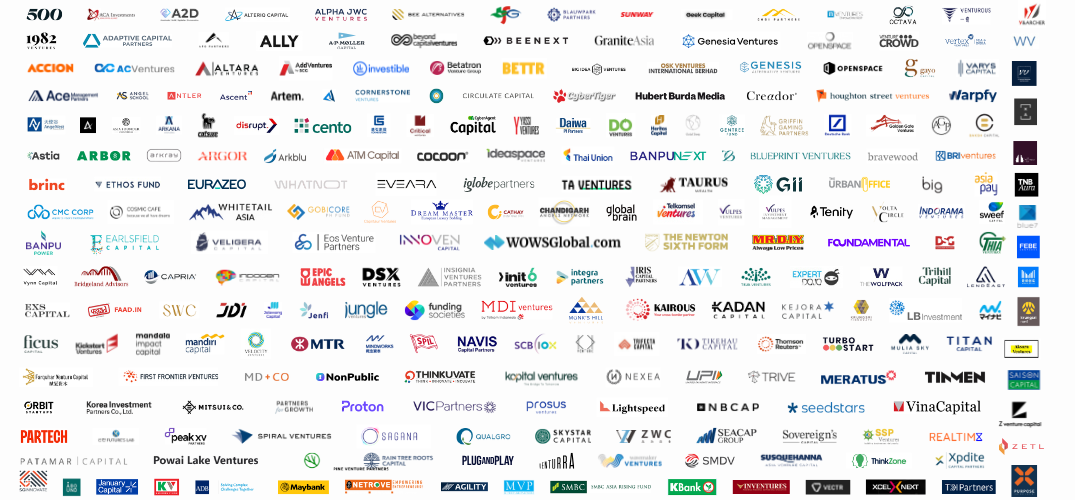
Inside the WOWS Investor Network: 250+ VC’s and Funds Powering SEA’s Startup Surge
This article unpacks the investor network behind WOWS Global from megafunds to niche co-investors and how this platform helps founders raise smarter, faster. See who’s in the network, what kind of capital they bring, and why this matters when you’re scaling across SEA. -
Venture Capital FEBE Ventures Seed 4 Minutes
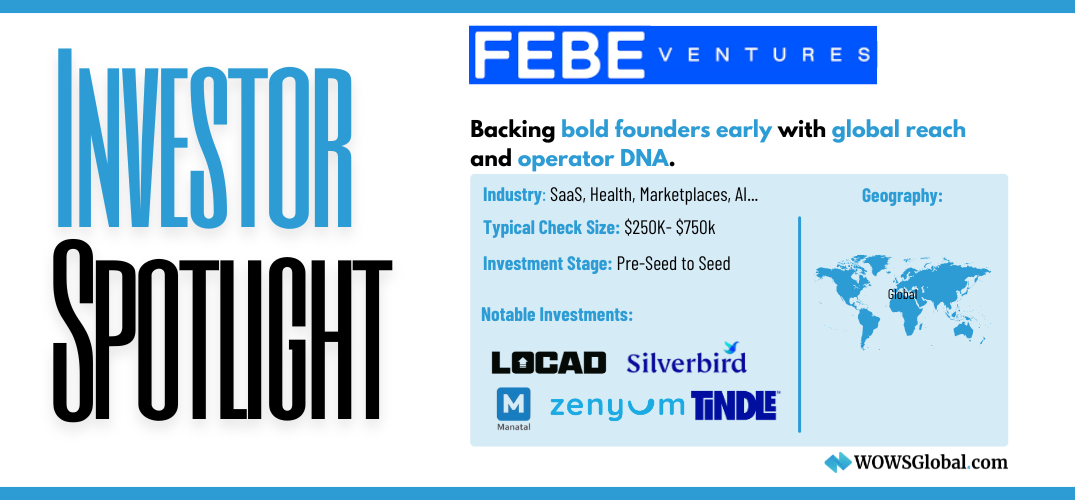
FEBE Ventures: Founders Backing Founders from Day One
More than capital, FEBE Ventures brings founder-first support, fast decisions, and real operational insight to early-stage startups across the globe. -
Venture Capital Founder Startup Funding 6 minutes
The Founder-Turned VC vs. The Non-Founder VC – Two Species in the Venture Jungle
Venture capitalists come in all forms, but two stand out: the battle-tested Founder-Turned VC and the strategic Non-Founder VC. Learn how their distinct approaches to risk, pivots, and due diligence shape their partnerships with startups and find out which one is the right fit for your journey. -

Startup Funding Venture Capital VC Red Flags 5 Minutes
Don’t Accept VC Money If You See These 5 Red Flags in a Term Sheet
A term sheet sets the tone for your startup’s future, but not all deals are created equal. Learn the five red flags you should never ignore when negotiating VC funding to protect your vision and equity.