
Term Sheet 101 (2025 Edition): Clauses, Red Flags, and Negotiation Tactics
Term Sheet Ultimate Guide to Term Sheets <em>Term Sheet Negotiation(s)</em> Startup & Venture Capital 3 Minutes

A term sheet sets the tone for the life of your company. In 2025, the fundamentals haven’t changed, but investor protections have sharpened after a choppy few years. Here’s a fast, founder-friendly guide to the clauses that matter, what to watch for, and how to negotiate with confidence.
1. The Clauses You Actually Need to Understand
Liquidation Preferences
What it means: When your company is sold, who gets paid first.
The normal deal: Investors get their money back first (1x) or convert to common if that gives them more.
Red flags: Investors getting more than 1x, or deals where they get paid twice (“participating preferred”). This is where founders often lose millions without realizing why.

Anti-Dilution
What it means: If your next round is at a lower price, investors don’t want to take the full hit.
The normal deal: Everyone shares the pain a bit (weighted average).
Red flag: Full ratchet, which basically resets their price to the lowest price you ever raise at. It punishes founders and early believers and can scare off future investors.

Pro-Rata Rights
What it means: Current investors get first dibs on buying more in your next round.
The normal deal: Big investors get standard pro-rata.
Red flag: Super pro-rata, which lets early investors hog the next round and blocks new capital from joining.

ESOP (Employee Options)
What it means: The pool of equity you set aside for future hires.
The normal deal: 10–15% depending on stage.
Red flag: When investors force the ESOP “pre-money,” meaning you take the dilution, not them. Also: oversized pools not based on any hiring plan.

Board Seats
What it means: Who gets to vote on big decisions.
The normal deal: Small boards with either founder control or an independent swing vote.
Red flag: Giving an investor control too early, it makes future fundraising harder and slows you down.

Information Rights
What it means: What you have to report and when.
The normal deal: Quarterly financials, yearly budget, occasional check-ins.
Red flag: Monthly “deep dives” or data requests from small checks. It burns time and distracts the team.

2. How to Negotiate Without Drama
Do this
-
Start from what's normal. “1x non-participating, weighted average anti-dilution, standard pro-rata, reasonable ESOP, and a small board” is a totally normal request.
-
Trade, don’t surrender. If they want something heavy (like participation), ask for something lighter (like better board terms or capped participation).
-
Use simple math. Show them how the terms affect outcomes at different exit values. People calm down when they see the numbers.
-
Think about your next round. Don’t accept terms that make the next investor walk away.
Avoid this
-
Don’t chase the highest valuation if the structure is ugly. Structure costs more than dilution. Every founder learns this the hard way once.
-
Don’t give broad veto rights. Limit vetoes to big stuff: M&A, new debt, new share classes.
-
Don’t let reporting become a full-time job. Set a rhythm and stick to it.
-
Don’t delay ESOP fixes. If you don’t do it now, you’ll end up doing it mid-round under worse pressure.
3. Quick Scenarios (Founder-Friendly)
Scenario A: Seed Round
Investor wants participating preferred.
Your move:
“No problem considering structure, but can we keep it simple with 1x non-participating? Happy to give you a board observer seat and solid KPI updates instead.”
You look reasonable. You avoid a painful clause. Win-win.
Scenario B: Two Competing Series A Offers
One investor gives a higher valuation but wants board control + super pro-rata.
Another gives a slightly lower valuation but clean terms.
Take the clean one.
You keep flexibility for Series B and avoid governance headaches.
Scenario C: Down Round
New investor asks for full ratchet.
Your move:
Offer weighted average instead + a small performance-based warrant if they need more upside.
Protect yourself and protect early investors.
4. Fast Red Flag Checklist
❌ Anything above 1x liquidation
❌ Participating preferred with no cap
❌ Full ratchet
❌ Super pro-rata
❌ Investor-controlled boards at early stages
❌ Vetoes on normal operational decisions
❌ Monthly reporting for small checks
❌ ESOP refreshes that dilute founders only
Pin this list to your laptop.
5. Final Advice for Founders in 2025
-
Simple beats clever. Clean terms make your next round easier.
-
Independents help keep the peace. Great for tie-breaking and optics.
-
Math wins arguments. Show outcomes, don’t debate feelings.
-
Get support early. A one-hour review saves months of headaches.
If you’re comparing offers or planning a raise, WOWS Global can help you review terms, model outcomes, and negotiate cleaner deals.
If you’re weighing term sheets or anticipating a raise, WOWS Global can help with fundraising advisory and term-sheet review, from structure modeling to negotiation strategy, so you close on clean, future-proof terms. Connect with WOWS Global by scheduling a call using this link.

Related Posts
-

SEA Startup & Venture Capital Proptech Media 4 Minutes
Catcha Group: Company-builders Powering SEA’s Internet Plays
Catcha Group has spent two decades building and backing Southeast Asia’s internet champions, from classifieds and OTT to flexible workspaces. With hands-on operating support and smart consolidation plays, the firm has turned category leaders into headline exits. -
Biotech AI SEA Startup & Venture Capital deep-tech 6 Minutes
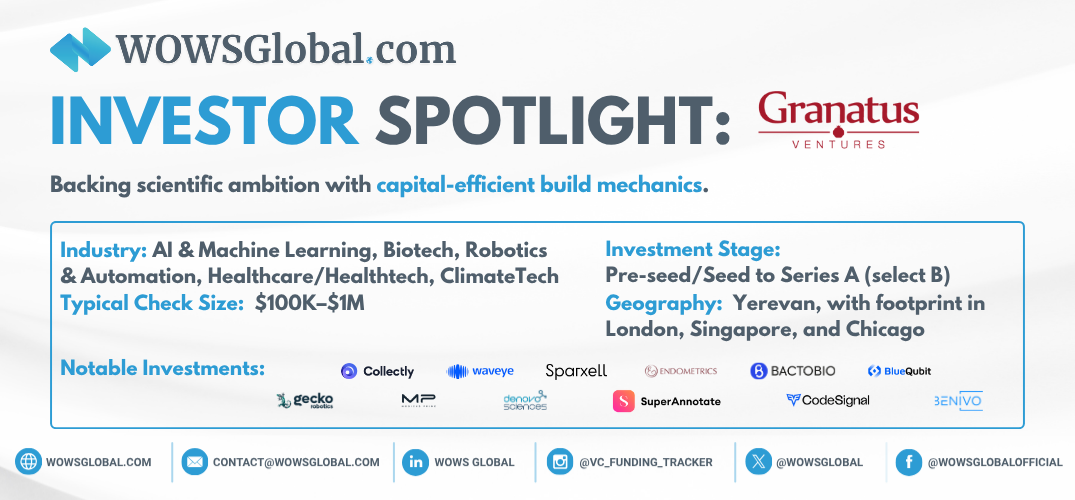
Granatus Ventures: Deep-Tech Builders Bridging Armenia and Southeast Asia
Granatus Ventures backs IP-rich startups in AI, biotech, robotics, and advanced/quantum computing, pairing early checks with an Armenia engineering engine and a Singapore touchpoint for SEA pilots. Learn how their SDG-aligned thesis translates into practical capital and deep technical diligence. -
Invest in Startups Startup & Venture Capital SAFE ESOP 4 Minutes
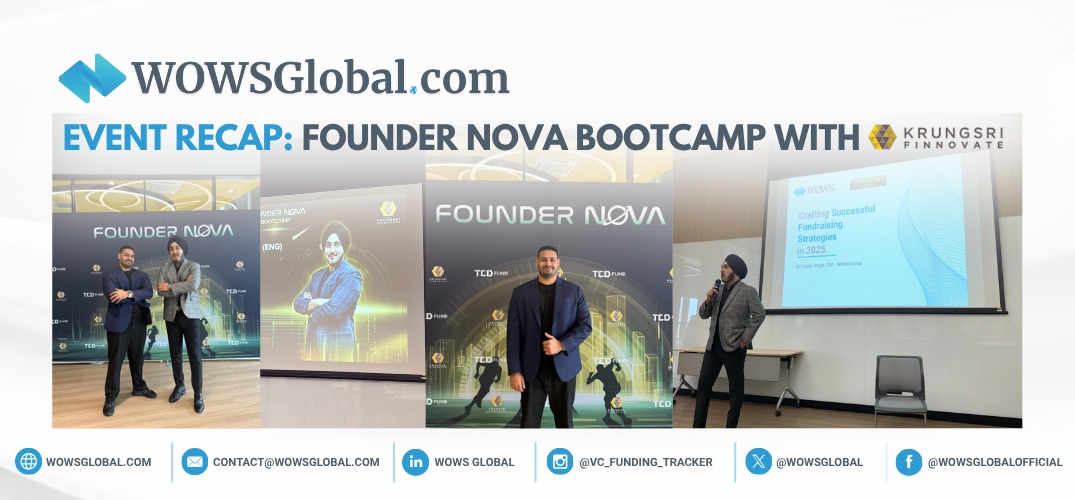
Event Recap: Founder Nova Bootcamp with Krungsri Finnovate
A practical recap of Founder Nova Bootcamp with Krungsri Finnovate, what founders learned about SAFEs, cap tables, and term sheets, and how to raise smarter in today’s market. -

Startup & Venture Capital Early Startups Founder Investment 3 Minutes
How to Choose Which Startup to Invest In
Choosing a startup isn’t a coin toss. This quick-read playbook covers market sizing, founder fit, unit economics, risk mapping, and terms, written in a toned-down sports recap style. Wrap up with “WOWS Insight,” where WOWS Global explains how it matches investors with companies that fit their thesis, stage, and traction. -
Startup & Venture Capital VC Funding Founder IPO 2 Minutes
How VCs Make Money: A Founder’s Guide to Venture Capital Economics
Venture capital isn’t a black box. Learn how LPs, GPs, fees, carry, and portfolio math actually work, then frame your pitch as the fund-maker with a credible exit path. -
VC Startup & Venture Capital SEA Fintech 7 Minutes
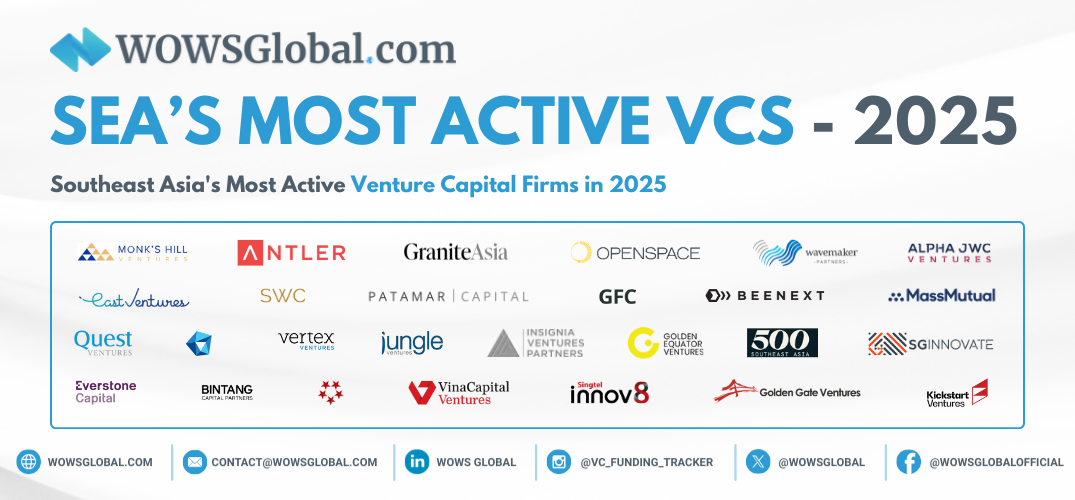
Southeast Asia's Most Active Venture Capital Firms in 2025
Southeast Asia’s startup scene is on fire in 2025 and these are the 25 venture capital firms fueling it. From early-stage incubators to billion-dollar funds, this definitive short-list showcases the most active, founder-first investors driving the region’s digital, AI, and fintech boom. For founders, it’s more than a list—it’s your launchpad.